DYNAMO PAVILLION

Kengo Kuma

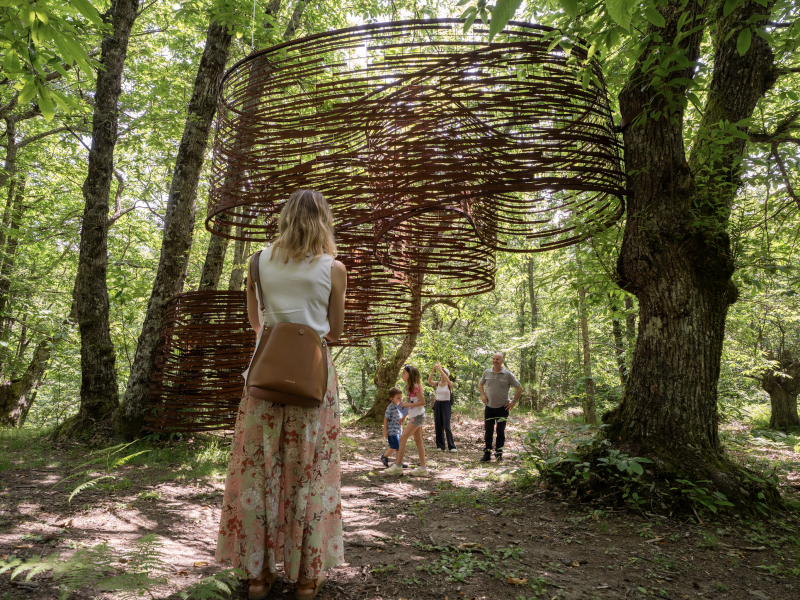
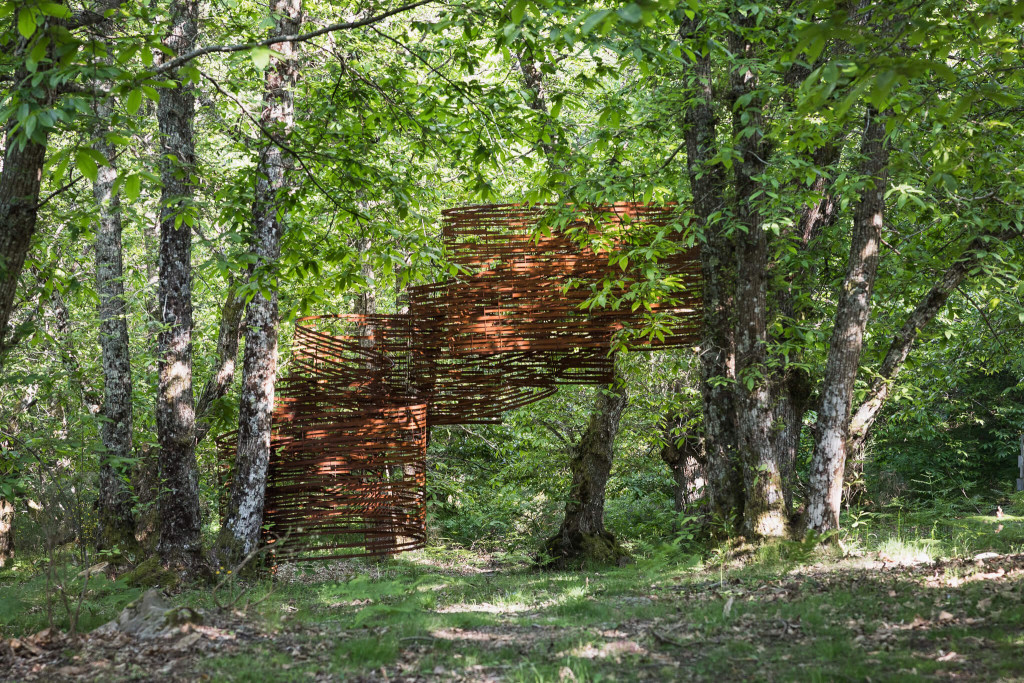
“Dynamo Pavillion” by Kengo Kuma is an open approach, one that goes beyond borders and evokes sensibilities very different from those of the Western world. It therefore suggests a reconsideration of the human-nature relationship based on “voids” and silences, a fundamental theme throughout Eastern culture, of which the starchitect Kengo Kuma is one of the foremost protagonists.

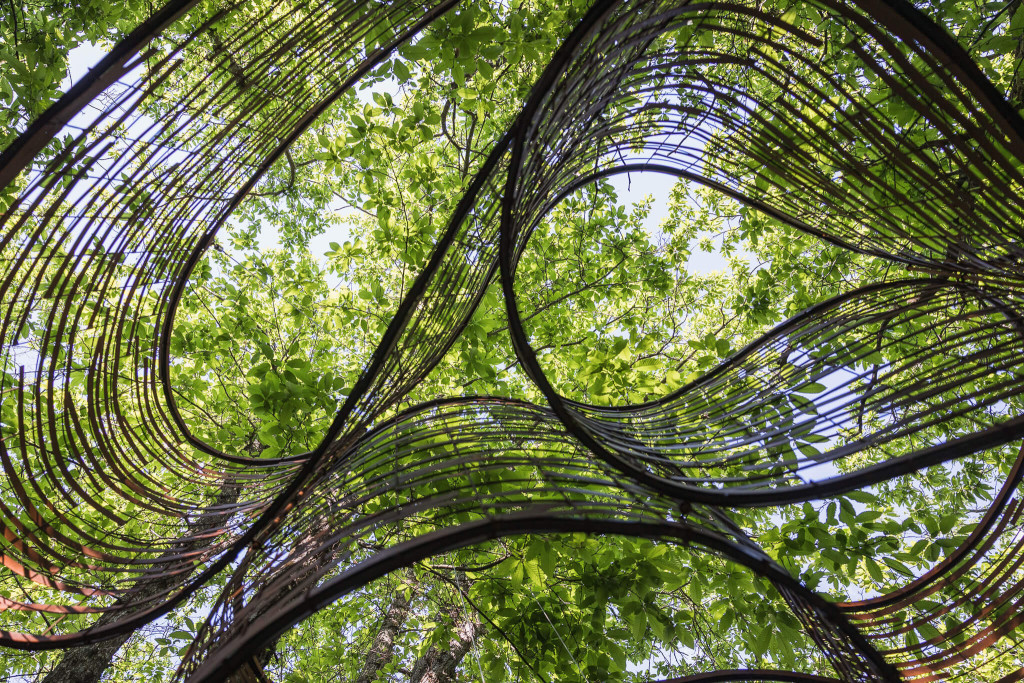
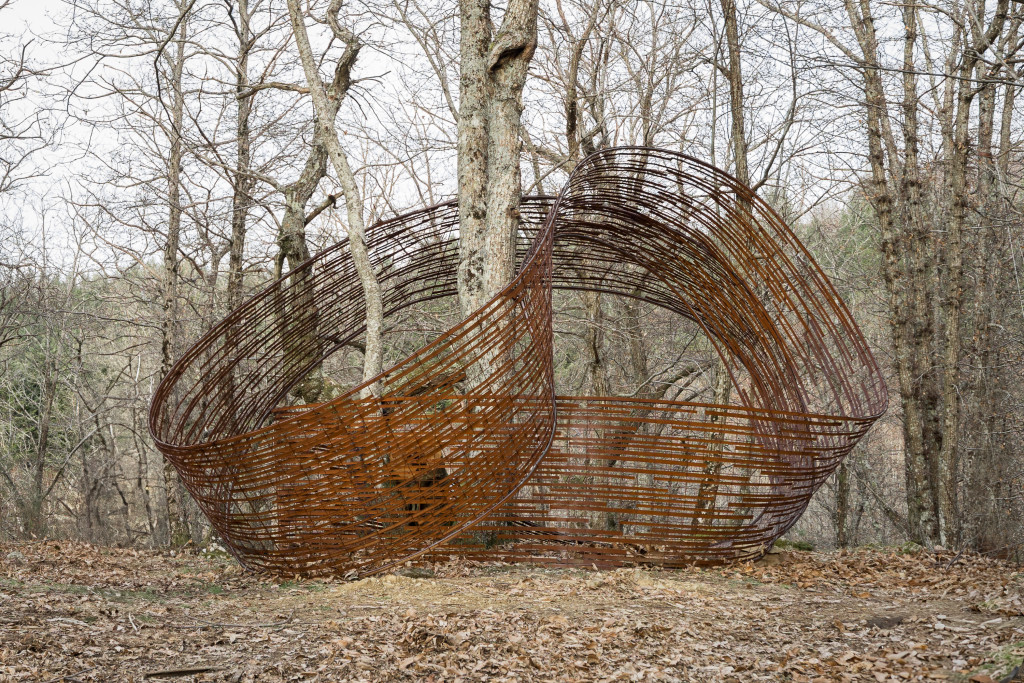
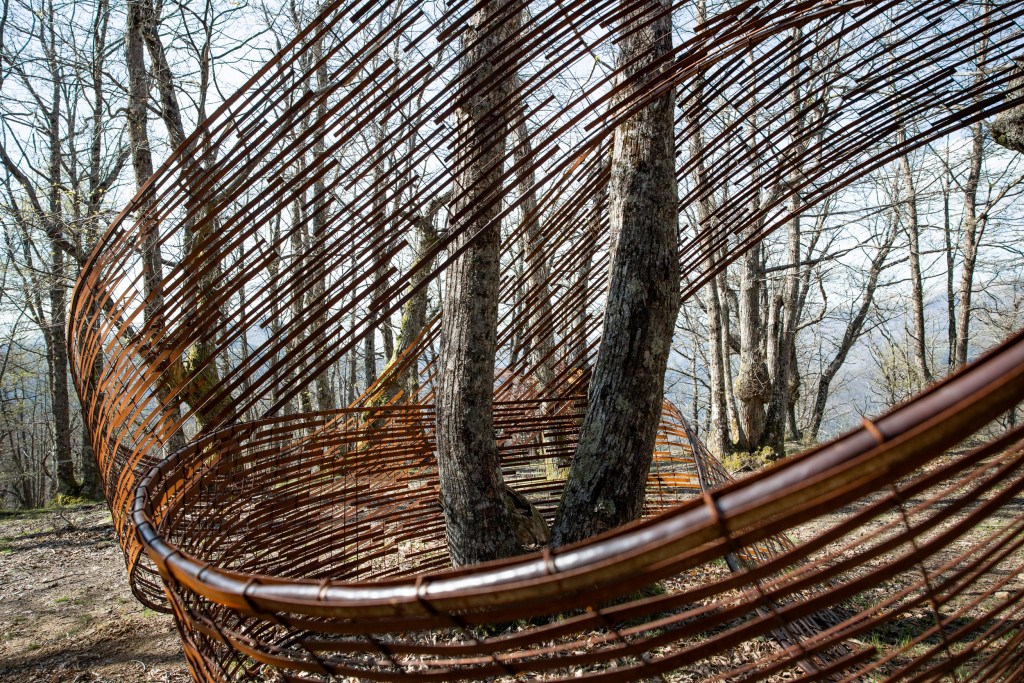
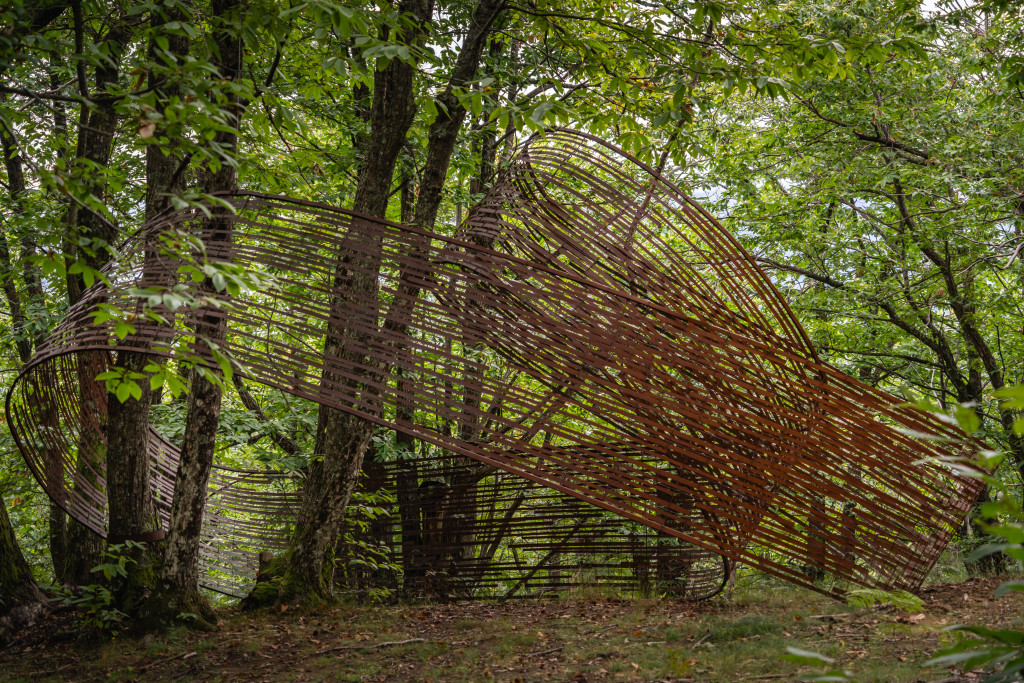
The Japanese architect’s installation, made of steel and carbon fibre, winds its way among the trees in a small clearing, appearing suddenly and almost by chance before the eyes of visitors. The structure of the three works, also thanks to the material used, vibrates in the wind and enters into consonance with the surrounding nature, in a respectful, minimal, almost immaterial relationship.
Artist biography

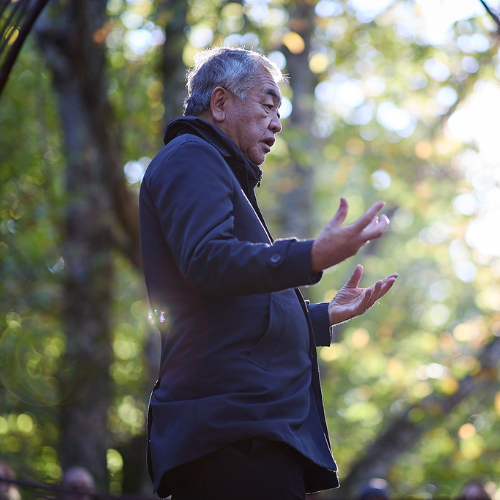
Born in Kanagawa in 1954, his education and practice are deeply rooted in his country of origin. He studied at the Department of Architecture of the Graduate School of Engineering in Tokyo, where he graduated in 1979, before founding his own studio in Tokyo under the name Spatial Design Studio in 1987. From the evolution of this practice, Kuma would later conceive and develop projects all over the world. In Japan he also developed his teaching activity, at Keio University, combining it with many experiences as a visiting professor at prestigious universities such as Columbia GSAPP in New York.

While his earliest architectural expressions can be placed within a more evident postmodernism, as in the case of M2 in Setagaya-ku, Japan (1989–91), the characteristics of approach that would distinguish his work in the following decades, up to the present day, soon began to emerge. Kengo Kuma’s architecture stems from a profound sense of place, and from the use of its characteristics, or of a specific material, through an interpretative approach aimed at creating a particular atmosphere and experience for the user or inhabitant. Experience is the true object of Kengo Kuma’s design: an experience made of material, light, awareness of tradition, perception and place.

Come raggiungerci

SUBSCRIBE TO NEWSLETTER